

At times, life can be both difficult and confusing. Like when your significant other hires a Fung Shei consultant to maximize the “Chi” in your home. Said Chi expert insists on placing a large propane barbeque next to the toilet in your master bedroom’s ensuite bathroom to balance out the Chi in your toilet. Said expert then hands you a bill for $8,000 USD for providing his quote-unquote “expert” opinions on toilet Chi. Ohhhh man… big SIGH.
Not everything in life is so obnoxiously daft or obscenely expensive. Examples…? The Chord Company’s new PhonoARAY® turntable grounding device (MSRP $1,859 CAD + applicable taxes) is beyond simple. It provides a better ground between your ‘table and your phono stage. That’s it. That’s what it does.
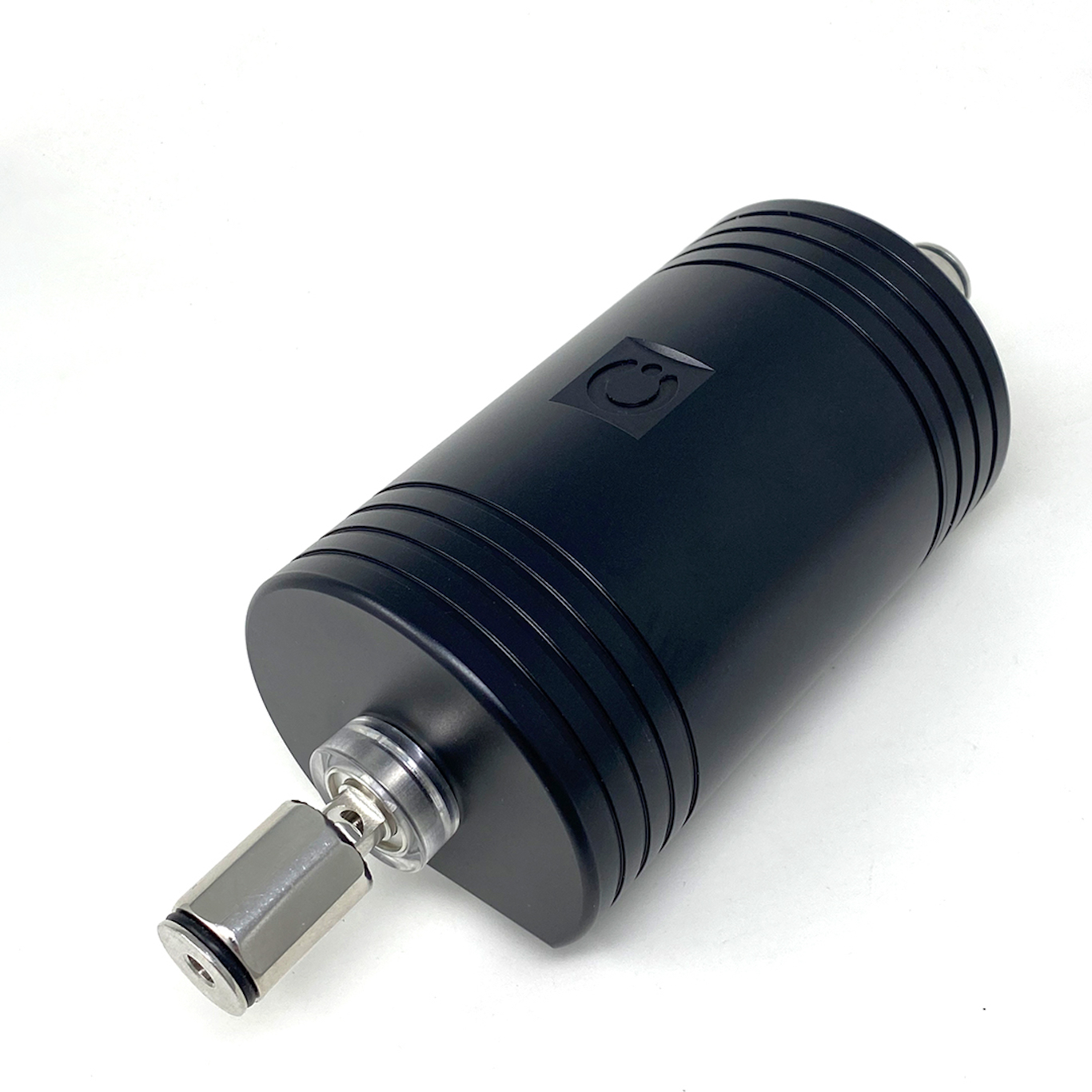
PhonoAray® grounding device
Company Background
Based out of Wiltshire England, the Chord Company has now been in business for 40+ years. Their expertise in cable design, engineering, and manufacturing is legion.
Somewhere in the early 1990s, the ‘Quiet Revolution’ in audiophile cabling occurred. Back then 30-plus years ago, audio-nutters who were trying to squeeze more sound out of their 2-channel rigs focused on lowering the noise floor by using better power cords, interconnects, speaker cables, and phono cables.
By the early 2000s, it was universally agreed by audiophiles that using better cables to lower the noise floor of any stereo system would allow more sonic information hidden in recordings to be heard. Marching onwards, from 2010 to 2020 wildly exotic grounding systems for power cords, interconnects, speaker cables, and every component in a 2-channel rig were released with courage, vigour, and enthusiasm.
Noise is to audio systems what rust is to offshore power boats: an evil thing that must be avoided at all costs. If noise reduces instrumental texturing, micro-detail retrieval, PRaT, soundstaging, dynamics, and the overall sound quality, then—like it or not—any and all attempts to lower the noise floor must be pursued with a Jesuitical conviction.
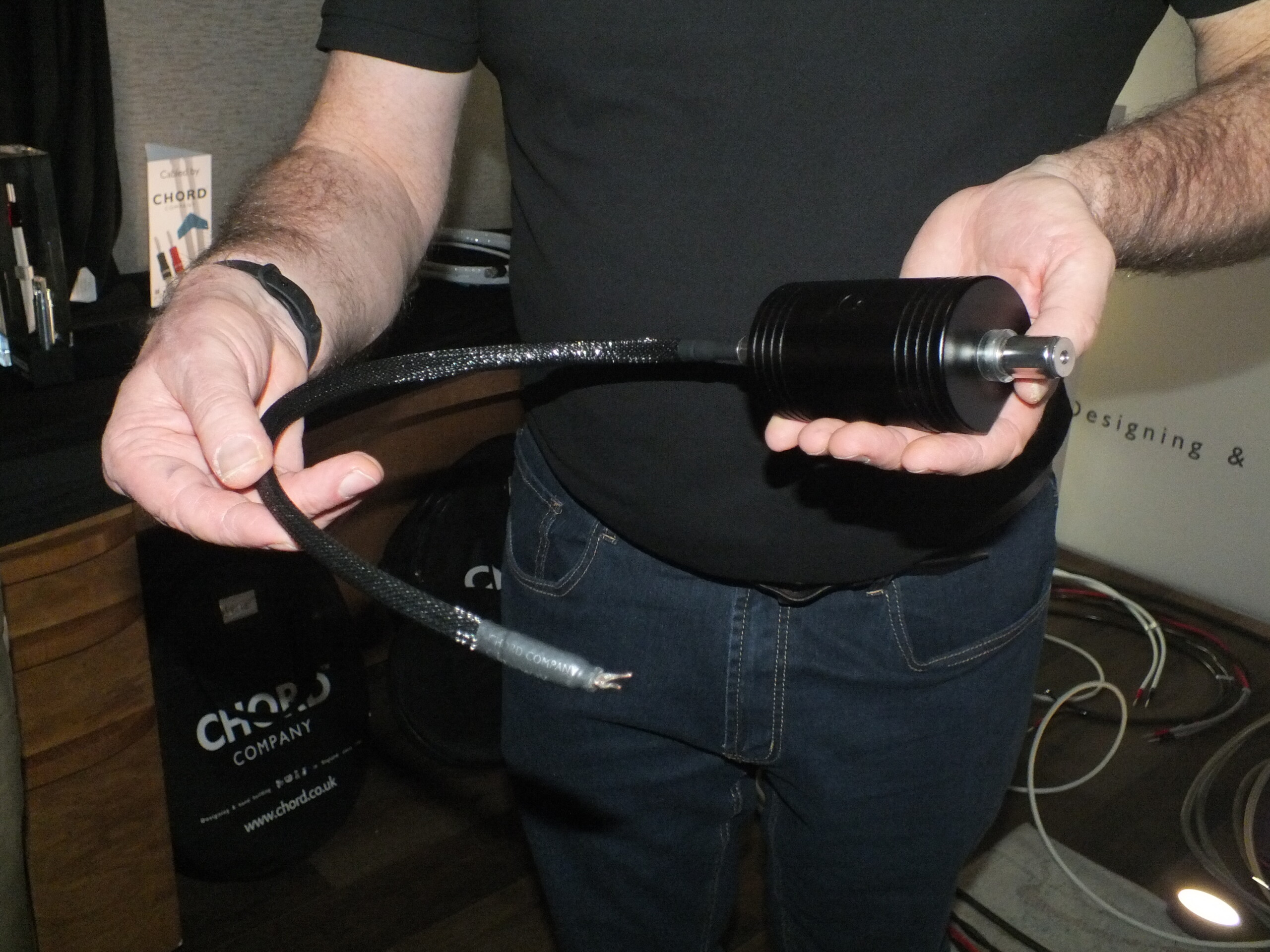
PhonoAray® grounding device- held in hand
Product Description
The Chord Company’s PhonoARAY turntable grounding device has dimensions of 65mm x 165mm (6.5cm x 16.5cm or 2.56” inches x 6.5” inches). What Chord describes as a “…hand-wound, ultra high-current series filter” is housed inside of a stout CNC-machined aluminium bullet that weighs 600 grams. It’s heavier than its smallish size looks. The interior chamber of the PhonoARAY has been filled with an undisclosed resin to reduce microphony. Chord describes microphony as “…when mechanical vibrations are transformed into an undesired electrical signal/noise.”
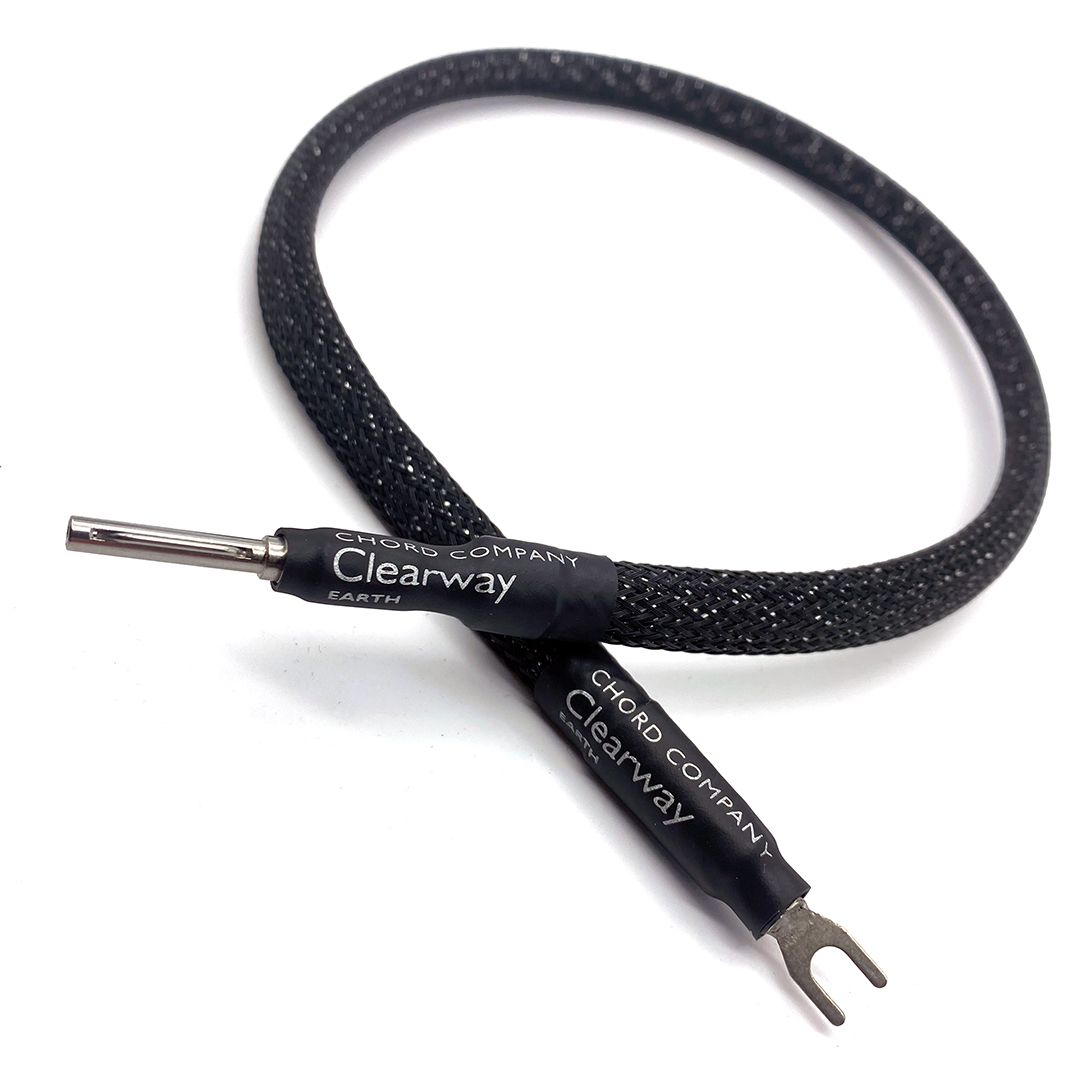
Chord Clearway Earthing cable
The Clearway® “earth” cable that comes with the unit is 50cm (19.685” inches) in length. The unit’s body rests on two lightweight decoupled isolation feet. To further reduce microphony, Chord recommends loosening the screws of these feet to fully decouple the device from the surface that it’s resting on.
Technical Details
How does this gizmo work? I’m not entirely sure(?). Fearing for potential theft of their proprietary engineering designs, the Chord Company is hesitant to explain exactly how the PhonoARAY actually functions. So you’re saying that they don’t want their intellectual property to be stolen or knocked-off…? No kidding. What a shock, eh.
In the PhonoARAY’s owner’s manual, Chord states:
“The engineering needed to retrieve the tiny signals stored on a vinyl record makes many turntables sensitive to electromagnetic radiation emitted from external sources within a domestic environment. For example, the signal from a low output moving coil cartridge will typically be amplified 1,000,000 times before it reaches the loudspeakers.
Inside the PhonoARAY is a hand-wound, ultra-high-current series filter, joining both terminals, as well as a complex ARAY system, connected in parallel, that gives added sound security and also provides an effective double “virtual earth system” for both turntable and phono stage.”
Chord’s thinking is that the skinny ground cable that comes with many modern turntables’ tonearms’ 5-pin DiN-to-RCA phono interconnects just isn’t good enough. Instead of eradicating ground hum, those skinny ‘earth’ cables unintentionally join with tonearms that have metal in them and, in effect, act like an antenna. Und das ist nicht gut.
High frequency radio interference (RFI) noise that radio signals, switching power supplies, and Wi-Fi systems inherently create is everywhere. Through a poorly grounded TT’s tonearm, this high frequency noise can—and will—lower the sound quality of your vinyl rig. And yes… we’re talking about micro sonic details that only audiophiles could possibly worry about. Then again, if you’re seriously into vinyl, why not do everything possible to properly ground your turntable? I mean, dinosaurs didn’t ground their turntables properly and look what happened to them. Despite what the Jurassic Park™ movie franchise would have you believe, the last time I checked, dinosaurs were extinct.
Set-up and Installation
As I stated in the intro, the PhonoARAY is easy to install. First take it out of its box and gently loosen the two set screws on the bottom of the black aluminium cylinder. Second, place the aluminium bullet on a flat surface and install the supplied Chord Clearway® earth cable to it. Third, screw the other side of the Clearway earth cable to the grounding post on your phono-stage. Last, attach the grounding wire coming off of your turntable’s phono cable to the PhonoARAY. And voila… that’s it. That’s all it takes to install a superior grounding solution for your turntable.
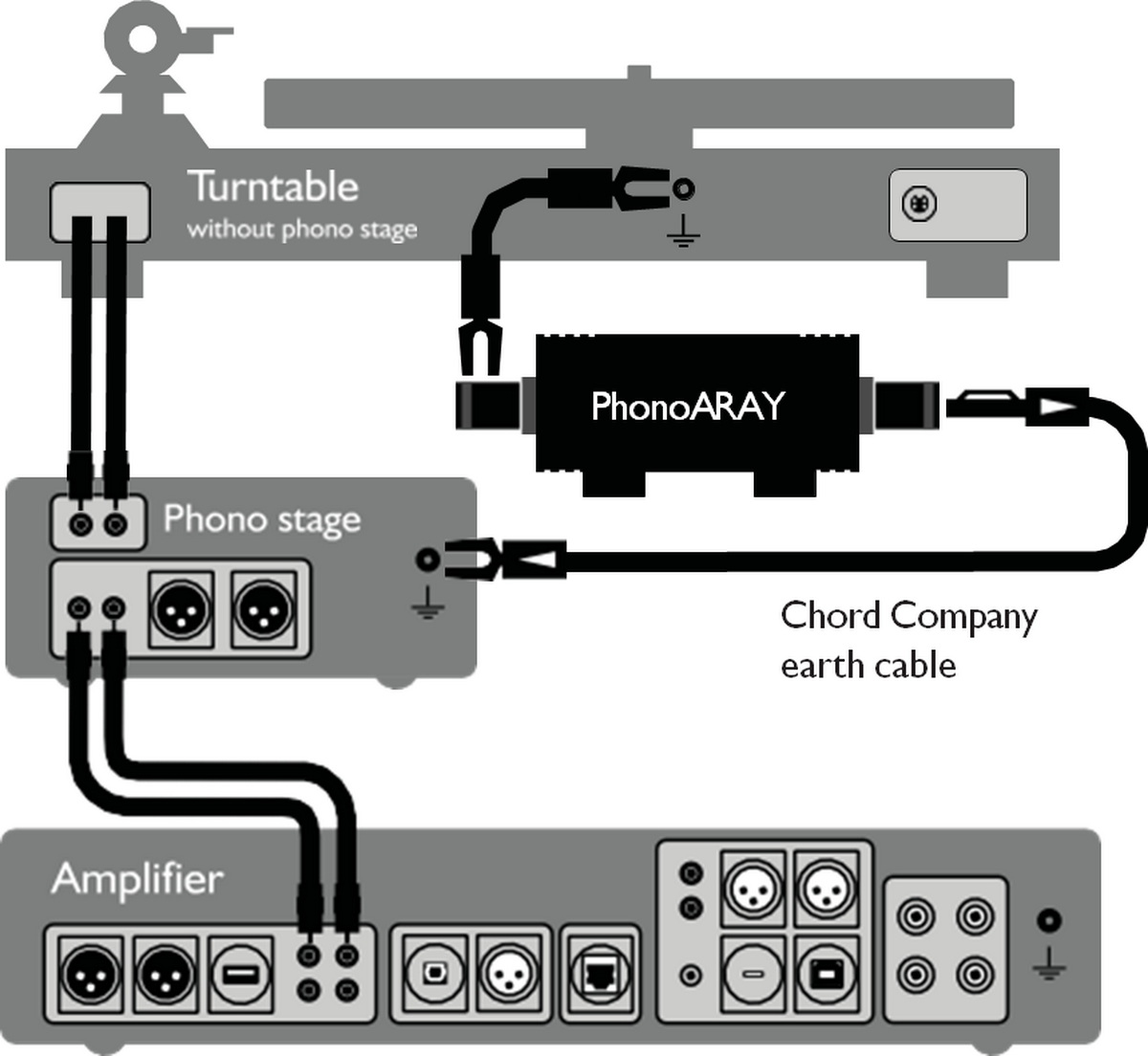
Installation diagram from the owner’s manual
One 50cm-length Clearway® earth cable is included with the PhonoARAY unit in the asking price. You don’t need to custom order this cable from Chord. So it’s a cinch to hook the unit into your vinyl rig. No muss, no fuss. All things in life should be so simple.
Listening Tests
I’ve never previously encountered or auditioned a turntable grounding device like this one. As of early July 2026, there’s nothing that I’m aware of that I could compare it to. As such, the only logical thing to do was to conduct comparison tests with the PhonoARAY: a), first hooked-up; and then b), second, removed from between the turntable’s grounding wire and the phono-stage’s ground post. Plug it in, listen to an album, and then unplug it and listen to the same album again. That’s how I and a few of my audio buds tested this gizmo.
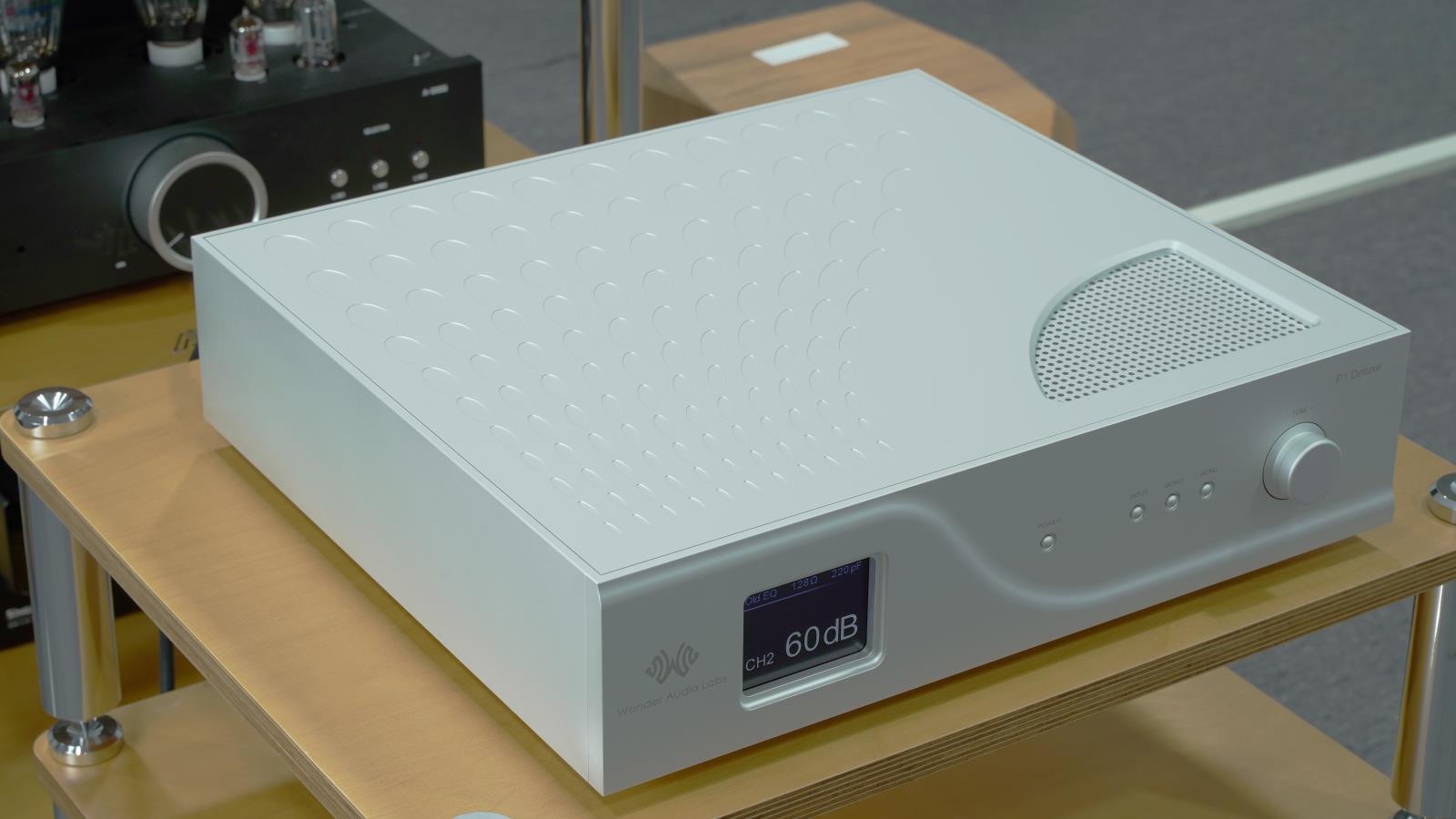
I used two different vinyl rigs for my listening tests. The first system featured an 1877-Phono ZV-5 turntable, an 1877-Phono Aeshna tonearm, an upgraded SBooster 24V power supply, and a MIT Oracle MA-X 2.0m DiN-to-RCA phono interconnect. I primarily used a Koetsu Rosewood Signature cartridge with the 1877-Phono ‘table. I ran signal from this TT through a Wonder Audio Labs P1 Deluxe vacuum tube phono stage.
An audiophile friend of mine whom lives nearby, (hello Phillip), wanted to hear the PhonoARAY in his posh (read: 6-figure level) vinyl system. Phil’s system showcases a state-of-the-art Kronos™ Kronos-Pro Limited Edition turntable, a Kronos Black Beauty tonearm, a Kronos SCPS-1 power supply, and a Siltech Royal Single Crown phono cable. At the time of this review, he was using a Koetsu Coralstone Platinum Diamond cartridge with the Kronos tonearm. His rig is mated to an Audio Research Reference-3 SE vacuum tube phono stage.
Chord’s PhonoARAY grounding device consistently lowered the noise floor of both of these vinyl rigs. Both systems were noticeably quieter and delivered more sonic information with the grounding device installed than without it. The soundstages were larger, more 3-dimensional, and the placement of individual instruments within the soundstages was more precise. Although the improvements in PRaT, timbral accuracy, and dynamic shading were subtle, Phil and I agreed that Chord’s grounding gizmo definitely improved the overall sound quality.
For serious audiophiles, the difference between a stereo that creates good sound and great sound is an obnoxiously painful and expensive thing to reconcile. Installed in a top-shelf vinyl rig, the sonic differences between a $500 USD level Moving Magnet (M/M) cartridge and a $10,000+ USD Moving Coil (M/C) cartridge are night and day.
With high quality recordings and heavy-weight vinyl records, an ultra high-end Moving Coil cartridge will deliver a much larger 3-dimensional soundstage and a far more lifelike ‘close your eyes and you are there’ musical experience. The subtle ‘feel’ and touch of instrumental timbres, textures, and the overall musicality are also made noticeably clearer by higher-end vinyl rigs.
Chord’s PhonoARAY reminds me of the sonic difference between a lower-end M/M cartridge and a top-shelf M/C cart. The PhonoARAY allowed both of the vinyl testing rigs to pull more sonic information out of the records’ grooves. Even with less than perfect recordings on elderly records, the sound was clearer, more dynamic, and more cohesive. The PhonoARAY allowed both vinyl rigs to create more warmth, greater bloom, and a deeper musical experience. Examples…?
Listening Tests
Recorded at the pinnacle of RCA Victor’s Living Stereo® era back in 1955, Berlioz’ Symphonie Fantastique, [RCA Victor- LSC 1900], features Charles Munch conducting the Boston Symphony Orchestra. This is a special recording which, on the 45-RPM re-mastered, 180-gram, double-LP record version, showcases the colour, shading, intensity, and dramatic flair of this breathtaking live concert.

Berlioz Symphonie Fantastique album cover
Munch’s vision for the way Berlioz’s symphony could sound was unique. RCA’s engineers managed to capture lightning in a bottle with this recording. The 180-gram RCA Living Stereo® version of Berlioz’s symphony glows with a glorious… er… living stereo sound. With Chord’s PhonoARAY grounding device hooked-up, delicate musical cues, the size and acoustics of the symphony hall, and the intent of the musicians were all sonically clearer.
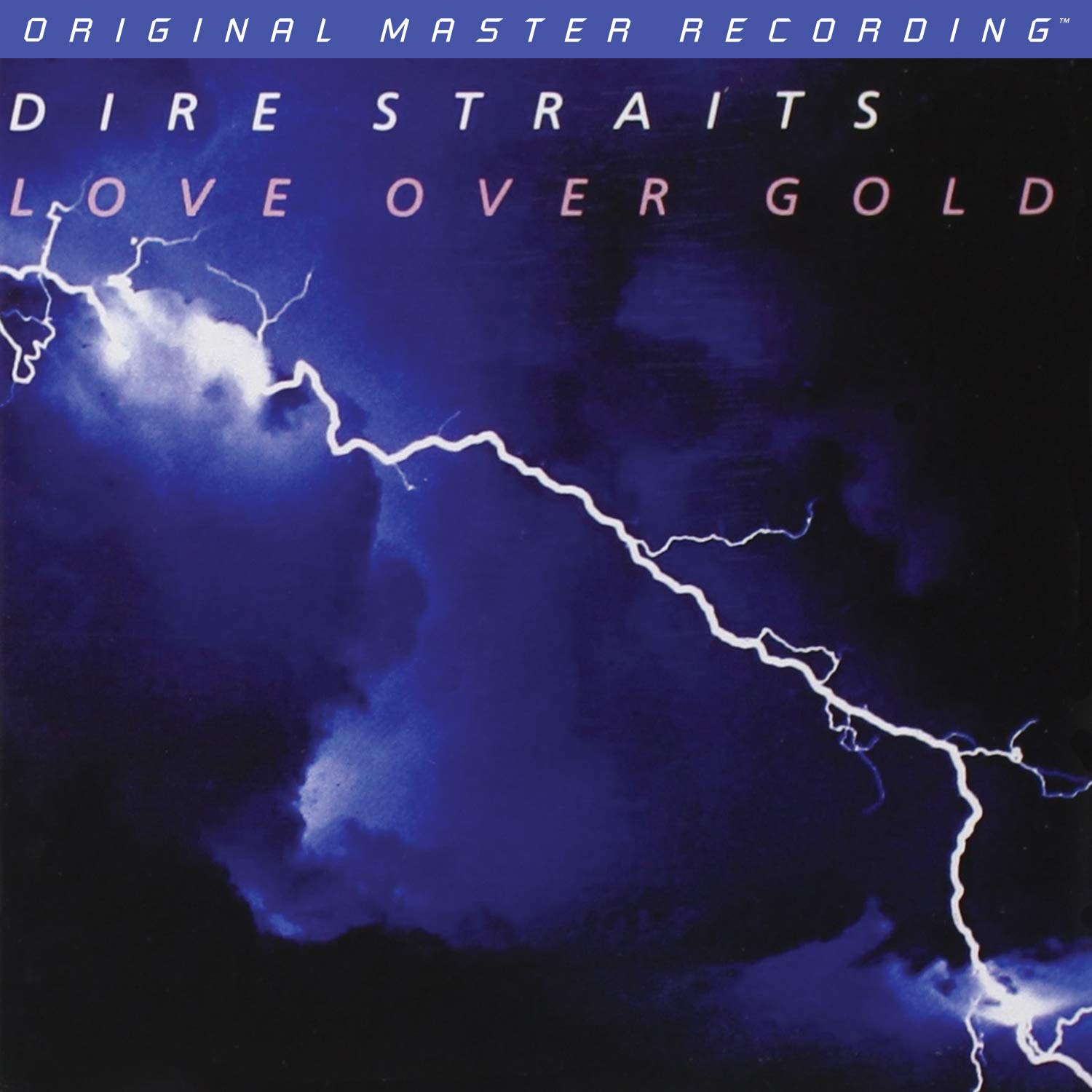
Dire Straits Love Over Gold MFSL album cover
Originally released in 1982, Dire Straits’ fourth album Love Over Gold [Mobile Fidelity Sound Labs 014130] is a cornerstone of musical creativity. Mark Knopfler and his band mates stretched their musical boundaries with these curious and explorative songs.
Listening to a 2019 MFSL 45-RPM re-mastered 180-gram double-LP collector’s edition of this record, combined with the PhonoARAY, the atmospheric, moody, tense, and playful songs on this record came forth with a shiver-inducing impact. The eerie sonic spaciousness, warm instrumental textures, and lengthy—even wandering—sonic journeys through different musical landscapes heard on this record gave me goose-bumps.
Using the PhonoARAY, the soundstaging was larger, the quiet parts of the songs were quieter, and obscure timbral details which I’d never noticed before were unearthed, dusted off, and laid bare for all to hear. On Love, Dire Straits used a number of acoustic and electric guitars, lap steel guitars, synthesizers, and even marimbas that provide a smorgasbord of sonic textures that were designed to let a listener sink into the songs and “feel” the aura of the music.
Chord’s PhonoARAY allowed my vinyl rig to place hauntingly lifelike images within a 3-dimensional soundstage. Even compared to the SACD and Japanese SHM CD versions of Love, the heavy-weight Mobile Fidelity vinyl version offered noticeably superior sonics. Regardless of the type of music I tried, with Chord’s PhonoARAY installed, the sound quality was consistently purer.
Shortcomings
Chord’s PhonoARAY requires a separate ground/earth cable. Dedicated ground wires are usually connected directly to the tonearm or, in some cases, the turntable chassis. Rega’s tonearms run the earth wire internally through the right channel cable and RCA plug. Consequently, with Rega TTs, there is no separate ground/earth cable to connect to the PhonoARAY. So… this device will not work with Rega’s ‘tables.
Priced at $1,859 CAD + taxes, the PhonoARAY and the Clearway Earthing cable may cause some to question the device’s value. I’d recommend finding a dealer whom will let you try this gizmo out in your own home with your own gear before committing to buy it. Value in audiophile tweaks is, after all, entirely in the eye of the beer holder; or… ehm… the beholder.
Conclusion
Only two questions need to be answered. One, does Chord’s PhonoARAY improve the sound quality of a vinyl rig? And two, is it worth the money? My answer to both of these questions is, without a doubt, an enthusiastic YES! I bought the review sample. I think that says it all.
Manfacturer
The Chord Company Ltd,
Chord Company House,
Millsway Centre’
Amesbury,
Wiltshire
SP4 7RX, UK
Web: https://chord.co.uk/