

We all say, "There is no substitute for live music." This past spring, Ann and I treated ourselves to a generous helping of live orchestral music from one of our regional orchestras a few hours away. And yet, and yet...
While the sound of live instruments cannot be fully replicated by even the finest audio systems, performance quality is a different matter. Are we spoiled? Hmmm, yes—probably.
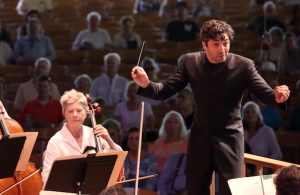
And then we made the four hour drive in the opposite direction to hear the Atlanta Symphony Orchestra with music director Nathalie Stutzman perform Mahler's Resurrection Symphony. All was set to right. Outstanding performance quality from the orchestra, a superb chorus (the men especially), very good soloists, and a conductor who is absolutely world class. We had tears in our eyes. It was a simply marvelous experience. So, onward we go to hear the Pittsburgh Symphony Orchestra in the fall.
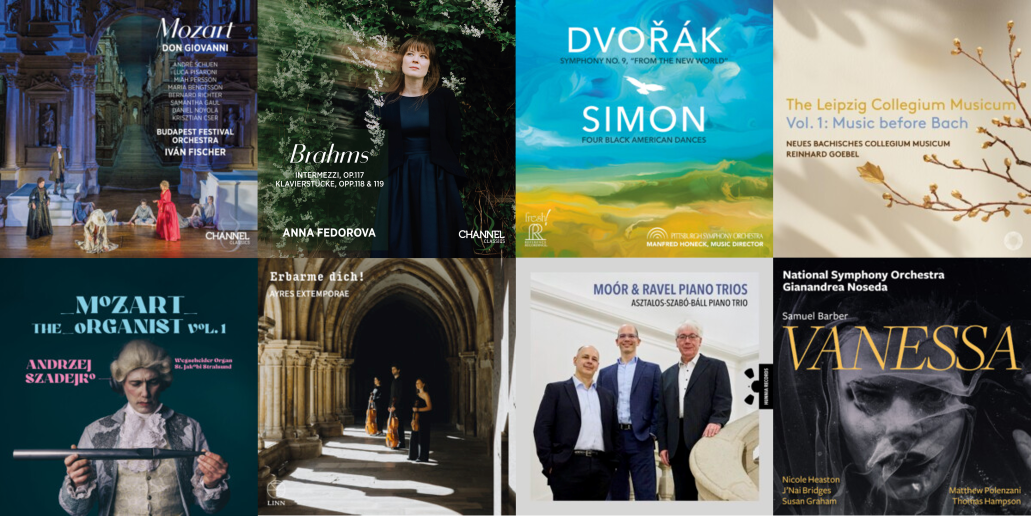
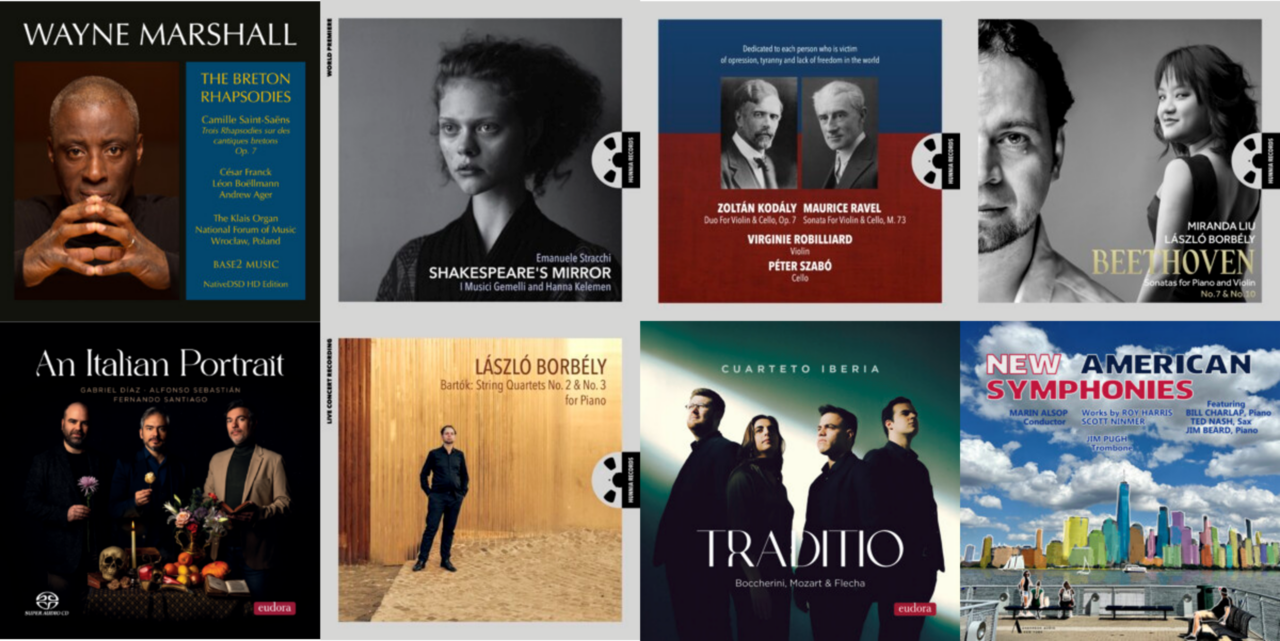
Yes, we miss being in a large metro area that can support a world class orchestra. And we are spoiled by the excellence of the musicians we so often hear on the best of the recordings that come our way. Let me share some with you below.
Enjoy.
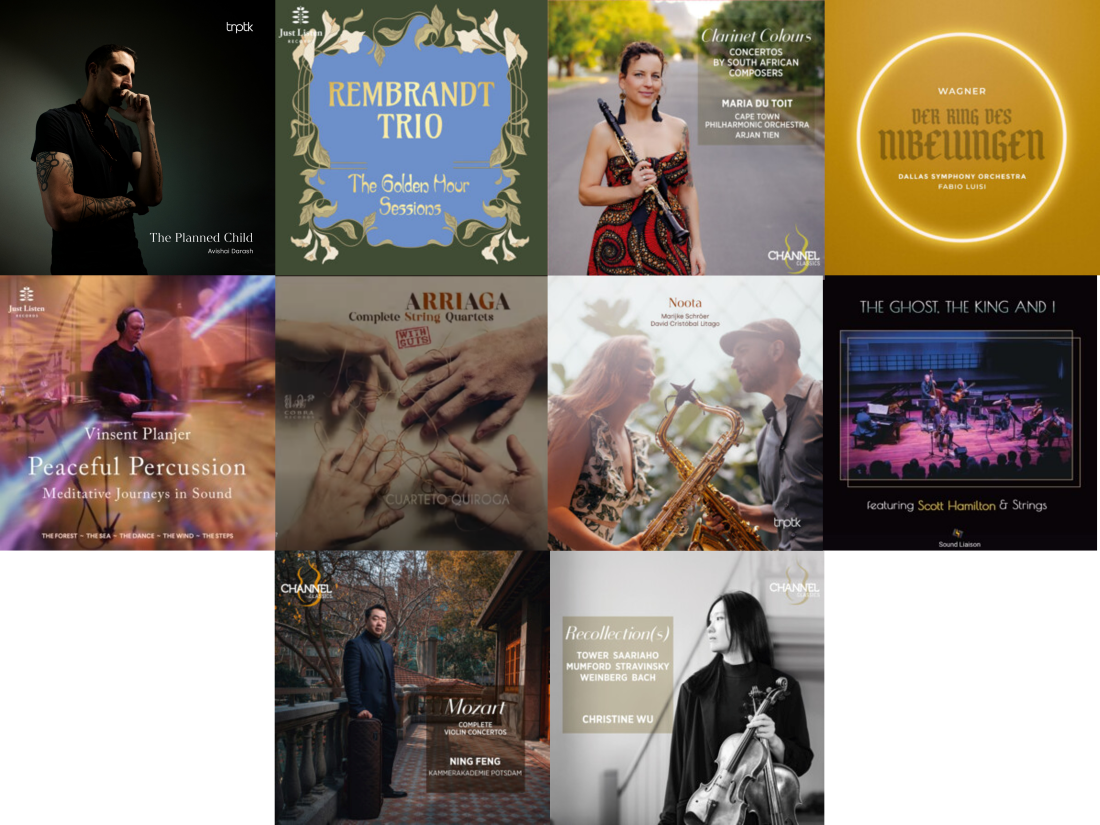
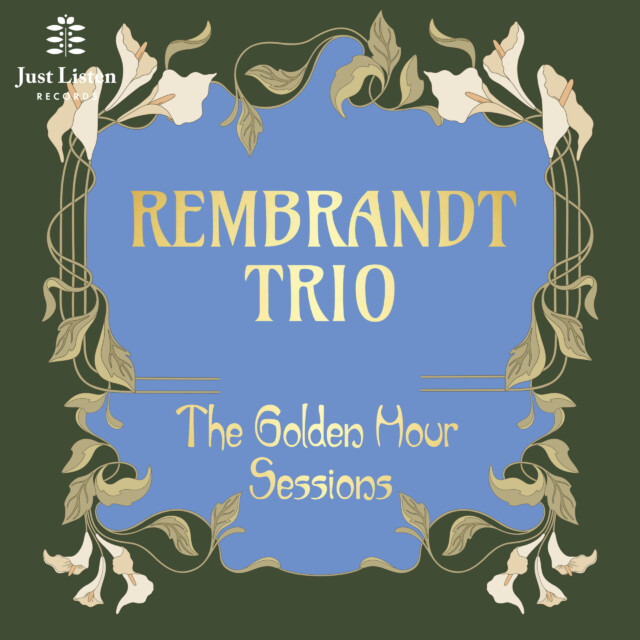
The Golden Hour Sessions, Rembrandt Trio. Just Listen Records 2026 (Pure DSD256, Stereo) HERE
Rembrandt Frerichs is an artist whose recordings I eagerly look forward to hearing. In The Golden Hour Sessions, he and the trio reward that anticipation immensely—I am simply thrilled as I listen. This collection of jazz standards, arranged by Rembrandt, is performed with a delicacy of interpretation and intimacy that is rare. Through superb phrasing and remarkable collaboration, the trio achieves a level of musical grace that feels almost magical. Bravo!
If you enjoyed The Blue Hour Sessions, I think you will love this new release. Here, Rembrandt's interpretations of these well-loved standards are presented in a form that will likely be more immediately recognizable while remaining unmistakably his own.
This album continues Just Listen Records' commitment to recording music in the purest manner possible: Pure DSD256, just the right selection and placement of microphones, and minimal post-processing. When the music is this delicate, preserving the ephemeral nuances of tone, bloom, timing, and decay is crucial to the listening experience. No one does this better than Jared Sacks.
The sound quality of the Steinway Model C that Rembrandt plays throughout the recording is immediately striking and deeply compelling. While Jared Sacks has always worked a certain magic into his piano recordings, the increasingly rare Steinway Model C lends this music a character all its own. There is a singing quality to this instrument under Rembrandt's hands that holds the sonic spotlight. As Rembrandt writes in the enclosed booklet:
"Steinway created an instrument capable of unprecedented sustain and richness of overtone, which Jared captured wonderfully in the room where we recorded... On an album devoted to fleeting moments, the Model C does more than produce sound. It extends it, holding each musical thought present just a little longer: like the last golden light before dusk."
Warmly and enthusiastically recommended.
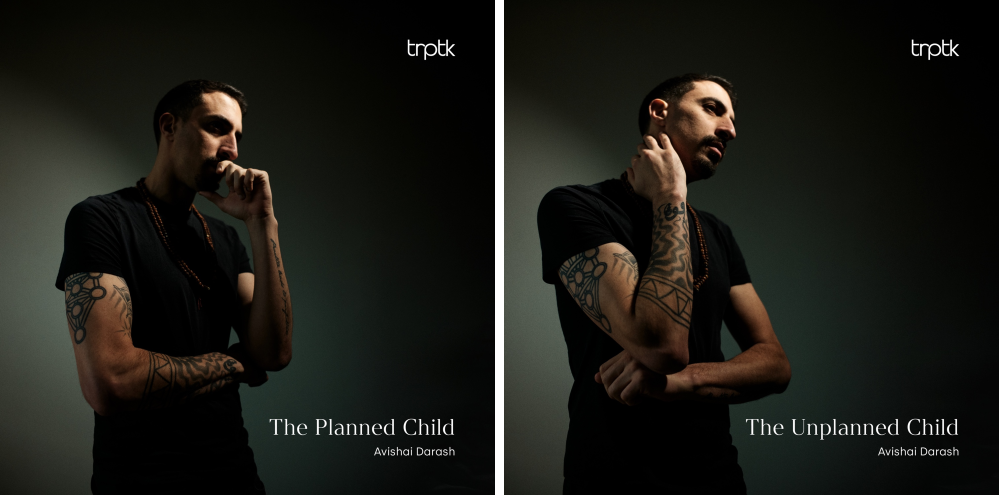
The Planned Child, Avishai Darash, TRPTK 2026 (DXD 32-bit, DSD256, Stereo, MCh, Immersive) Edit Master Sourced HERE
The Unplanned Child, Avishai Darash, TRPTK 2026 (DXD 32-bit, DSD256, Stereo, MCh, Immersive) Edit Master Sourced HERE
I was captivated by these works by pianist and composer Avishai Darash—more accurately, enthralled. Here is a rare listening experience in which an artist invites us to share an intimate window into his life, his experience, his soul. It is humbling. And with music making as subtle and sublime as this, it is an experience you should embrace without hesitation.
Avishai writes about The Planned Child:
"This work may appear to have come together over the past year, but in truth it has been more than sixteen years in the making. When Maya from TRPTK first approached me in 2023, I did not yet imagine The Planned Child taking the shape you now hear — eight solo pieces and two duos... The album brings together pieces written as far back as fifteen years ago alongside music improvised in the studio. Together, they trace a personal journey through time. This recording is my attempt to share something essential—the truest sound of who I am, without compromise or disguise."
It is a brave undertaking to reveal oneself so completely. The honesty, the openness, the complete absence of artifice are apparent from the very first notes. That authenticity makes the album utterly compelling.
I've now listened to it straight through four different times, each time intending that the next listen would be my last before writing this review. Instead, I kept returning to it. Weeks have now gone by, and I remain in awe of what Avishai has shared—the gift he has given his listeners. In truth, I have found myself somewhat intimidated by trying to put into words the depth of my admiration for his music.
I could attempt to describe each piece individually, but that is not something to which I'm well suited. Instead, I encourage you simply to listen. Better yet, download the highest-resolution version your system can reproduce and then listen again—thoughtfully, quietly, attentively.
With the highest-resolution files, you'll hear even more: the subtle harmonics of the piano, the slightest shifts in intonation, the delicate variations in phrasing and rhythm. Then, when Maya joins Avishai on cello in Tracks 3 and 4, you'll hear the interaction of the instruments in remarkable detail—the blending, complementing, and contrasting harmonic overtones of piano and cello. I simply don't hear these subtleties from the standard-resolution release in the same way. In DXD or DSD256, however, I hear a living, breathing reality that enhances and liberates Avishai's music. I encourage you to listen and see whether your experience is similar.
The Unplanned Child appeared just one month after the release of the original album. I downloaded it immediately and discovered a wonderful surprise. Here, instead of carefully composed works, Avishai plays entirely through improvisation. None of this music was planned. It arose through a fortuitous opportunity, and I am grateful that TRPTK chose to share the results.
Avishai explains:
"A few months after recording The Planned Child, Brendon called and asked if I wanted to drop by and record a few tracks—in less than twelve hours. Nothing planned, nothing expected, nothing forced.
"Mind you, I had no material. None. I even had to arrange a babysitter and figure out how to get to the studio. Until that very morning, it seemed certain we’d skip the session and focus on finishing the existing album. I had poured myself completely into The Planned Child and emptied my pool of ideas. Record more music now? What music, and how? Just go in and play? But I’m usually so organized, so meticulous about every note that needs to be there. No, no — it would surely be a waste of time.
"Or so I thought. Brendon put it simply: 'Worst case, we have a few coffees and you play a few ideas. There’s no pressure to make anything out of it.'"
What emerged from that unplanned session of extemporization is truly special. In some ways, this album intrigues me even more than the original collection of compositions, excellent as those are. Here we hear Avishai simply playing as a pure artist—in the moment, free of expectation, free of self-consciousness, free to follow wherever the music leads. The life in these performances is something to treasure. Once again, it feels like a gift: a rare opportunity to experience such and intimate sharing between musician with listener.
At just 24 minutes, The Unplanned Child is brief—an EP, and priced accordingly. Yet as a companion to The Planned Child, it feels indispensable. I cannot imagine my music library without it.
Recommended—most highly.
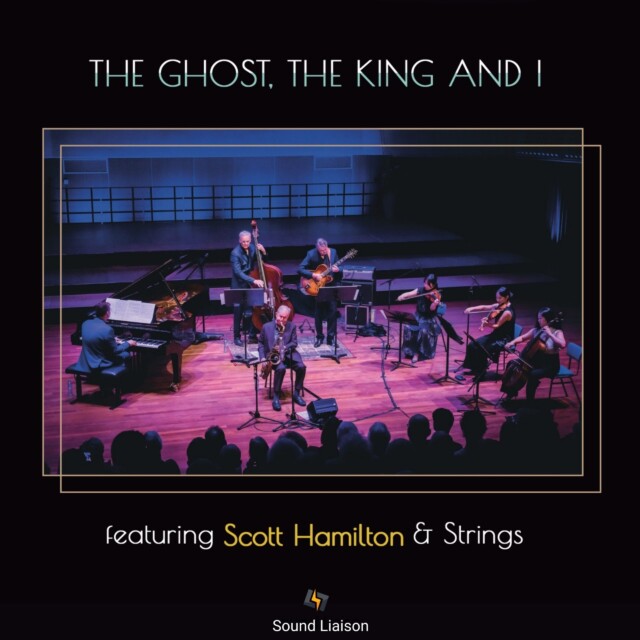
The Ghost, the King and I featuring Scott Hamilton & Strings. Sound Liaison 2026 (Pure DSD256, Stereo) Edit Master Sourced HERE
This is a release filled with energy, warmth, and exceptional musicianship. It is also one of the most remarkably natural and true-to-life recordings I have heard.
Saxophonist Scott Hamilton is a phenomenal artist, heard here at his most reflective and emotionally direct. Backed by the trio of Rob van Bavel, Vincent Koning, and Frans van Geest, and joined by the Salon de Musique String Trio, the album unfolds as an ongoing musical conversation among artists who listen closely to one another and respond naturally to the enthusiastic audience invited into Studio 1 at MCO Hilversum in the Netherlands for this recording session.
The program for the recording draws on themes by Antonio Carlos Jobim, Cole Porter, Phil Woods and Rob van Bavel. Through Bavel's imaginative arrangements, these familiar melodies become points of departure for musical exploration. Scott's dialogue with Rob, Vincent and Frans is improvisational, melodic, and deeply expressive. As producer Peter Bjørnild writes, "This is music that welcomes you like a warm embrace."
The inclusion of the Salon de Musique string trio worked wonderfully well—I was genuinely surprised. Perhaps it was their restraint, but more likely it was their unfailing musical judgment that made their contributions so effective. Unlike a full string orchestra, the trio never overwhelms, Instead, the ensemble participates as equal voices in the ongoing conversation while adding a distinctive richness to the musical texture.
Recording engineer Frans de Rond creates a soundstage that feels intimate while presenting a precise and believable sense of each musician's location within the remarkable acoustics of Studio 1. His approach begins with a Josephson C700S stereo microphone placed at the center of the ensemble, with Scott positioned just behind it. Spot microphones are then added with great care, preserving the integrity of the primary stereo image rather than replacing it.
The result is a delightfully natural recording. We hear the authentic ambience of the hall surrounding each instrument, complete with the natural bloom and decay for which Studio 1 is so highly regarded. At the same time, every instrument retains its full tonal character without ever drawing attention away from the ensemble as a whole.
While I readily agree with Frans' oft-stated opinion that choice of music, musicians, venue, microphones, and microphone placement all take precedence over recording format, I also find that his commitment to recording and releasing in Pure DSD256 allows this music to emerge with a harmonic richness and instrumental realism that I find deeply engaging. The longer I have lived with well-recorded Pure DSD256 releases, the more I find myself drawn to their effortless clarity and harmonic realism. It has become a format I actively seek out.
Well done, all!
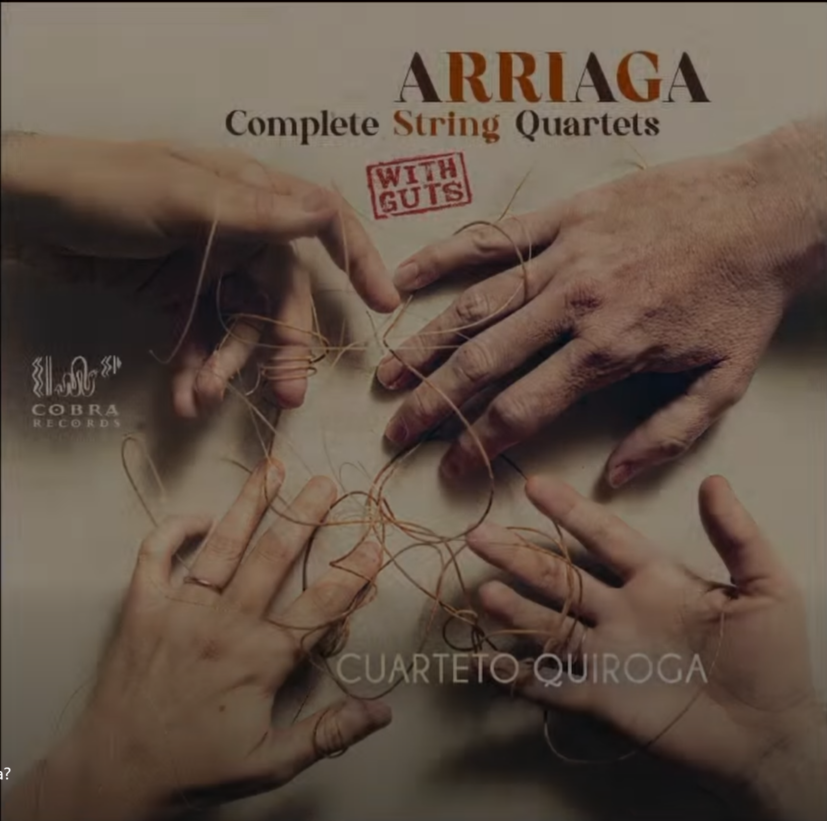
Arriaga: Complete String Quartets, Cuarteto Quiroga. Cobra Records 2026 (Pure DSD256, Stereo, Binaural, MCh) Edit Master Sourced HERE
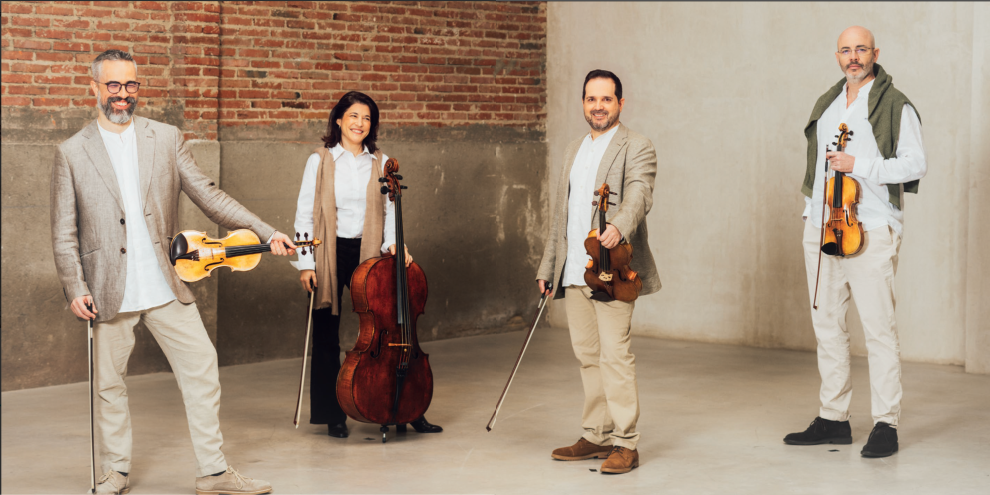
The Cuarteto Quiroga is an ensemble I consistently find engaging, technically superb, and refreshingly adventurous in its programming. Tom Peeters, recording engineer and founder of Cobra Records, once told me that he felt privileged to record them. I understand why. After listening to their recordings over so many years, I feel privileged simply to hear the results.
With this most recent release, they may have produced one of their most innovative and rewarding recordings yet.
In 1823, a sixteen-year-old from Bilbao, living in Paris, wrote three string quartets, dedicating them to his father. That young composer was Juan Crisóstomo de Arriaga (1806-1826). His accomplishment in one of classical music's most demanding forms is astonishing. Some regard these works as a major milestone in the history of the string quartet. I certainly find them irresistible—richly expressive, intellectually challenging, and endlessly stimulating.
Back in my vinyl days, I had an earlier recording of these quartets by the Chilingirian Quartet, released on the CRD and Music Masters labels. That LP left my collection with the downsizing years ago, and I've missed this music ever since. So when I learned that the Cuarteto Quiroga would be recording these works, I eagerly anticipated hearing their interpretation.
They have exceeded every expectation. I am overjoyed by what I hear.
The Cuarteto Quiroga bring a vitality to this music that I find infectious, uplifting, life-affirming. Their decision to perform on gut strings proves a perfect match for the music, adding a tactile richness, harmonic complexity, and expressive piquancy that I found consistently captivating.
These quartets reveal remarkable sophistication in the interplay of their melodic lines, the conversation among the four instruments, and the unexpected turns the music continually takes. Passages that initially seem straightforward often unfold into something far more inventive and emotionally rewarding upon closer listening.
They leave me wondering what Arriaga might have contributed to our musical heritage had he lived beyond the age of twenty. His death at such a young age remains one of music's enduring tragedies.
As always, Cobra Records founder and recording engineer Tom Peeters captures the timbre and harmonic character of the instruments beautifully within the lovely acoustics of WestVest90 Church in Schiedam, the Netherlands. Each musician occupies a clearly defined position within a stable and convincing soundstage. The microphones are placed to preserve exceptional clarity and detail while allowing the natural ambience of the church to bloom around the ensemble. The result strikes an ideal balance between intimacy and spaciousness.
I listened to both the stereo and binaural versions over headphones. As has so often been my experience with Tom's recordings, I found the binaural presentation especially rewarding. It conveyed an additional sense of focus and presence that drew me even more deeply into the performance. Thank you, Tom, for your commitment to taking the extra effort to provide a true binaural capture of your recordings using the Neuman Binaural Head microphone. It is always a treat for me as a headphones listener.
This is yet another Pure DSD256 recording in which Tom Peeters partnered with Tom Caulfield for direct DSD256 mastering without PCM conversion. For my ears, and my musical priorities, the resulting sound quality belongs firmly in my "desert island" category of recordings. It is, quite simply, demonstration quality.
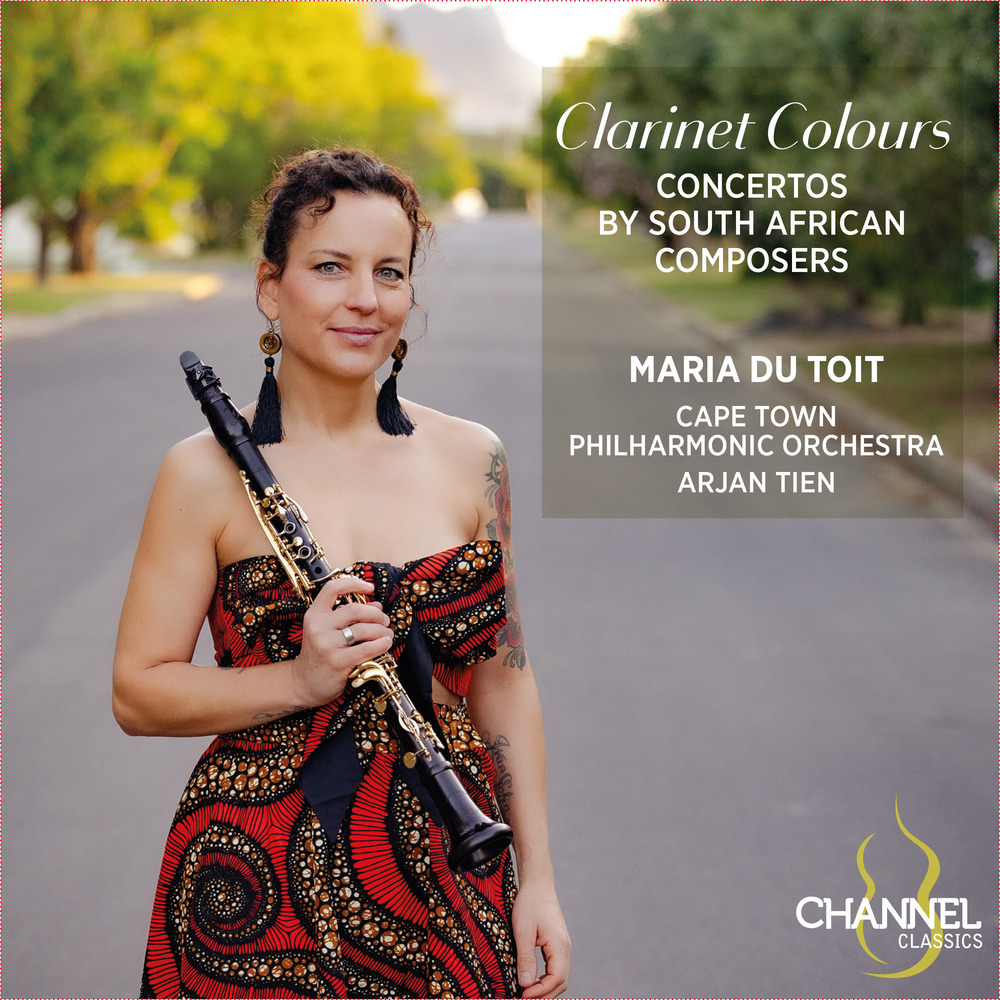
Clarinet Colours, Maria du Toit (clarinet), Arjan Tien, Cape Town Philharmonic Orchestra. Channel Classics 2026 (DXD-32 bit, DSD256, Stereo, MCh) HERE
It is such a great pleasure to have another recording from Jared Sacks, whose "retirement" has not slowed his recording activities. As with so many who enjoy life, he tells me he is doing what he loves: "How can I say 'No' to musicians who want me to come record with them?" And I savor every new release.
In this case, we have something new and very different—composers and musicians whose work I do not know and who come from a part of the world I know so little about. That in itself is a thrill.
These are concertos for clarinet by South African composers, all from the twentieth century, and all written for or dedicated to South African/Dutch clarinetist Maria du Toit—a musician of consummate skill.
The album opens with the very different soundscape imagined by Conrad Asman (b. 1996) in his Colour Concerto for solo clarinet and orchestra (2017–2018; rev. 2024)—a delightfully unique expression of color that fully exploits the expressive possibilities of both clarinet and orchestra. Musical ideas continually evolve and intermingle, with the solo clarinet frequently echoing and absorbing the timbres of surrounding orchestral instruments, creating an almost kaleidoscopic interplay of sound. Energetic percussive rhythms alternate with passages of lyrical warmth, suggesting landscapes and atmospheres that feel at once inviting and unfamiliar. The music unfolds as an evocative and unpredictable sonic journey that is both transporting and deeply rewarding.
Next is a work by Roelof Temmingh (1946-2012), who is identified in the enclosed booklet as one of the most influential composers and composition pedagogues in twentieth-century South Africa. His Concerto for clarinet and orchestra (2009-2011) reflects a modernist sophistication combined with direct lyrical and emotional appeal. Passages of rhythmic vitality and driving intensity alternate with moments of introspective lyricism as the solo clarinet engages an ongoing dialogue with the orchestra. In keeping with the title of the album, the work makes striking use of orchestral color. One hears throughout the concerto both emotional depth and a distinctive sense of atmosphere, all within Temmingh’s contemporary musical language.
The album concludes with the Clarinet Concerto by David Earl (b. 1951), a work that combines neoclassical clarity with warmly expressive lyricism. Cast in three movements, the concerto places the clarinet in long, flowing melodic lines that unfold naturally against richly textured orchestral writing. Although contemporary in language, the music remains eminently accessible, with an inviting and atmospheric character.
The concerto both opens and closes with energy and virtuosic brilliance, while the central slow movement highlights the clarinet’s limpid, vocal quality in music of notable warmth and introspection. Earl achieves a welcome balance that allows the clarinet to emerge from—and occasionally dissolve back into—the surrounding orchestral fabric. The concluding movement, based on variations of a fourteenth-century French song, brings the work to an energetic and satisfying close.
This is an album I've enjoyed immensely, for the music, the performances, and the superb sound quality. I have never been a particular enthusiast for the clarinet, but these works—and Maria du Toit's outstanding performances—have won me over completely.
Warmly recommended.
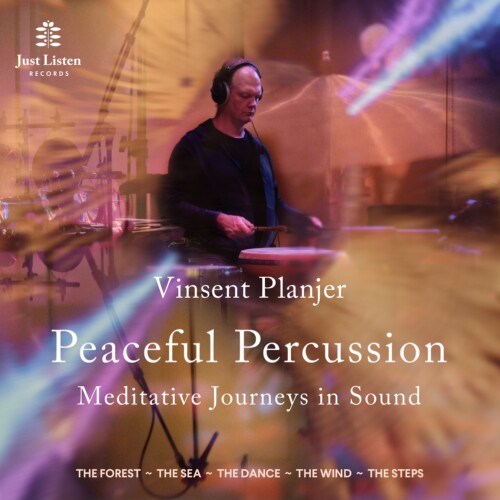
Peaceful Percussion—Meditative Journeys in Sound, Vinsent Planjer. Just Listen Records 2026 (DXD 32-bit, DSD256, Stereo, MCh) Edit Master Sourced HERE
"There is a percussion at the heart of everything. The rain on leaves. The tide against stone. The footfall in an empty hallway. Vinsent Planjer has spent a lifetime listening for it."
Such is the introduction to this album in the enclosed booklet, and it is an apt description of its intent: a meditative journey through sound led by one of the most sensitive percussionists performing today. Planjer has performed with Rembrandt Trio for over two decades, and is a master of sound, rhythm, and texture. His work is consistently quite remarkable—intimate, expressive, and deeply communicative.
The sounds on this album are created with instruments Planjer has adopted and adapted for his own purposes. While some of the passages may suggest recordings of natural phenomena, they are not (except, perhaps, for "birds" on the first track). Instead, Planjer produces these sounds through his craft with instruments such as the ocean drum, bells, log drum, gong, bass drum, frame drum, tombak, marimba, temple blocks, cymbals, and shruti box. The instruments used on each track are listed in the booklet.
The entire effect is magical—not in any mystical sense, but in its capacity to evoke an immersive sound world in which the listener willingly surrenders.
Planjer's work as a musician spans jazz, contemporary classical, world music, and theatre, but at its core lies a simple conviction: percussion, even without a single melody line, can carry the full weight of human feeling. Peaceful Percussion is a distillation of a lifetime of listening—five meditations, each an invitation to pause, breathe, and hear the world anew.
Recorded by Jared Sacks in his new recording studio, Banana Bread Studios, Herwijnen, Netherlands.
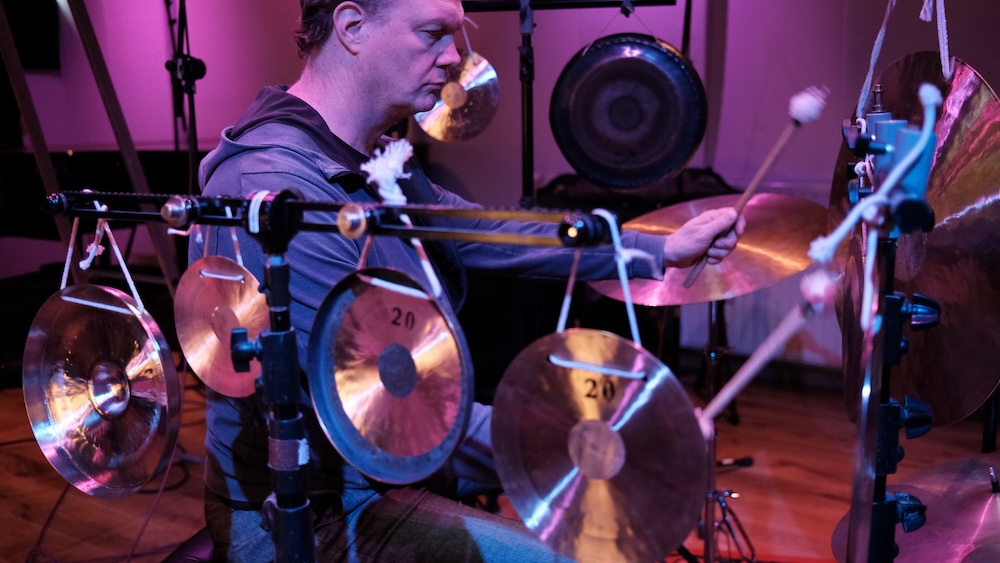
Vinsent Planjer in recording session, March 2025 in Herwijnen, Netherlands.
Wagner, Der Ring des Nibelungen Live, Dallas Symphony Orchestra, Fabio Luisi (conducting). Delos 2026 (192k, DSD256, Stereo) Edit Master Sourced HERE
There is cause for celebration with any new performance of the complete Ring Cycle, and when it is as well recorded as this live performance recording from the Dallas Symphony Orchestra, there is even greater reason for anticipation. The recording was made by the illustrious Sound Mirror team, and the sonic results are indeed excellent. The original recording format was PCM 192 kHz, but I listened to the DSD256 conversion made by Tom Caulfield from the edit master source and released by NativeDSD.
And, I have not yet listened to all 15 hours* of it—just the first opera: Das Rheingold. But this has been so deliciously good that I am looking forward to diving into Die Walküre, Siegfried, and finally Götterdämmerung. Some people are likely to skip ahead to listen to famous excerpts and then draw conclusions from isolated passages. That is not my approach. I dislike "bleeding chunks"—I want to experience each much-anticipated moment in its proper dramatic and musical context.
So, if you need to learn about one particular section immediately, go to one of the streaming services and indulge yourself. I can't be a party to that process.
Instead, what I can say is that Das Rheingold is very well performed. If the remaining three operas are as of the same standard (and I fully expect them to be), this set will stand as a significant and musically impressive achievement, especially for a live performance. In Das Rheingold, the Dallas Symphony Orchestra plays with expressive refinement and a level of polish that rivals many of the leading European orchestras whose recorded performances I have heard. Music director Fabio Luisi provides exceptionally clear, structurally intelligent leadership throughout.
The orchestral sound benefits from strong transparency of inner lines and orchestral color, captured with wide dynamic range, excellent soundstage imaging, and a rich hall ambiance. Is it perfect? No. There is some thickening of texture in the climaxes compared to some of the best studio Ring recordings. Even so, this is one of the finest live Ring recordings I have heard—impressively natural and powerful.
Wotan is sung by Mark Delavan, who delivers a capable and experienced Wotan. His performance is solid and authoritative, but not definitive.
Loge is sung by Stefan Margita who I found to be a clear, agile tenor delivering a strong theatrical presentation of Loge's sly, mercurial nature. Effective.
Tómas Tómasson's Alberich is vocally strong, dark and vivid. One of the stronger characters.
Erda is sung by Tamara Mumford whom I found to be one of the vocal highlights with her rich contralto tone, and authoritative, but calm, presentation.
The Giants (Fasolt/Fafner) are effective, with good character contrast as is needful.
The Rheinmadens are competent as an ensemble, but more functional than memorable.
So, overall, I give very high marks to the orchestra and to music director Luisi's leadership, with similarly high marks for the singers Erda (Mumford), Alberich (Tómasson), and Loge (Margita), with solid anchors in Wotan (Delavan) and Fricka (Deniz Uzun). It is a capable, well-prepared cast, with a few standout individual performances.
Recommended.
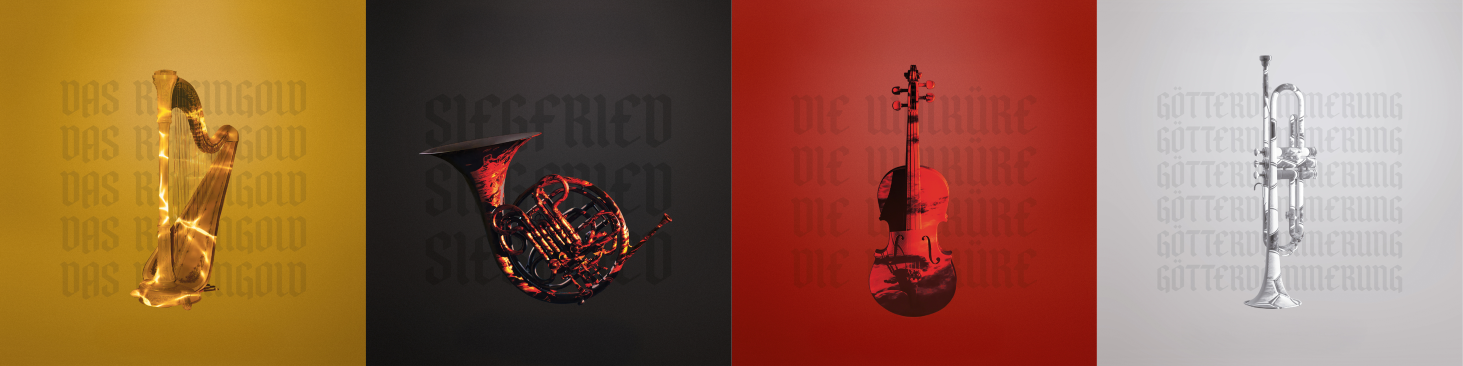
The Ring Cycle: Das Rheingold, Siegfried, Die Walküre, Götterdämmerung
* The length of time to perform the complete Ring Cycle ranges from 15 hours to 19 hours, depending on the host of variables involved in any production. This Live Dallas Symphony Orchestra recording comes in at the lower end of this range of performance times.
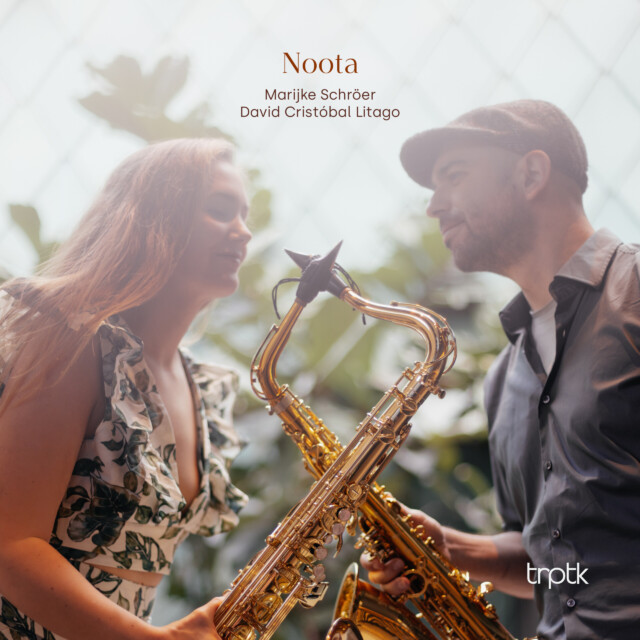
Noota, Marijke Schröer & David Cristóbal Litago. TRPTK 2026 (DXD 32-bit, DSD256, Stereo, MCh, Immersive) HERE and HERE (later in July)
I gravitate to recordings that combine exceptional artistry with state-of-the-art engineering—just can't help myself. And in this regard, I think Noota is one of the more interesting chamber releases TRPTK has issued this year. It is exactly the sort of album that rewards careful listening on a reference system. It is not merely a demonstration disc (though it certainly can be). It is a remarkable show of technical mastery, excellent artistic sensibilities, and challenging and interesting music. Plus, it's just plain fun to boot.
The album is the debut recording by the Noota Saxophone Duo, consisting of Marijke Schröer and David Cristóbal Litago. Having performed together since 2009 in both the Melisma Saxophone Quartet and the Netherlands Saxophone Octet, they bring an almost telepathic ensemble precision to the project. According to TRPTK, the album grew naturally from their long collaboration and was intended simply as the music they most wanted to share.
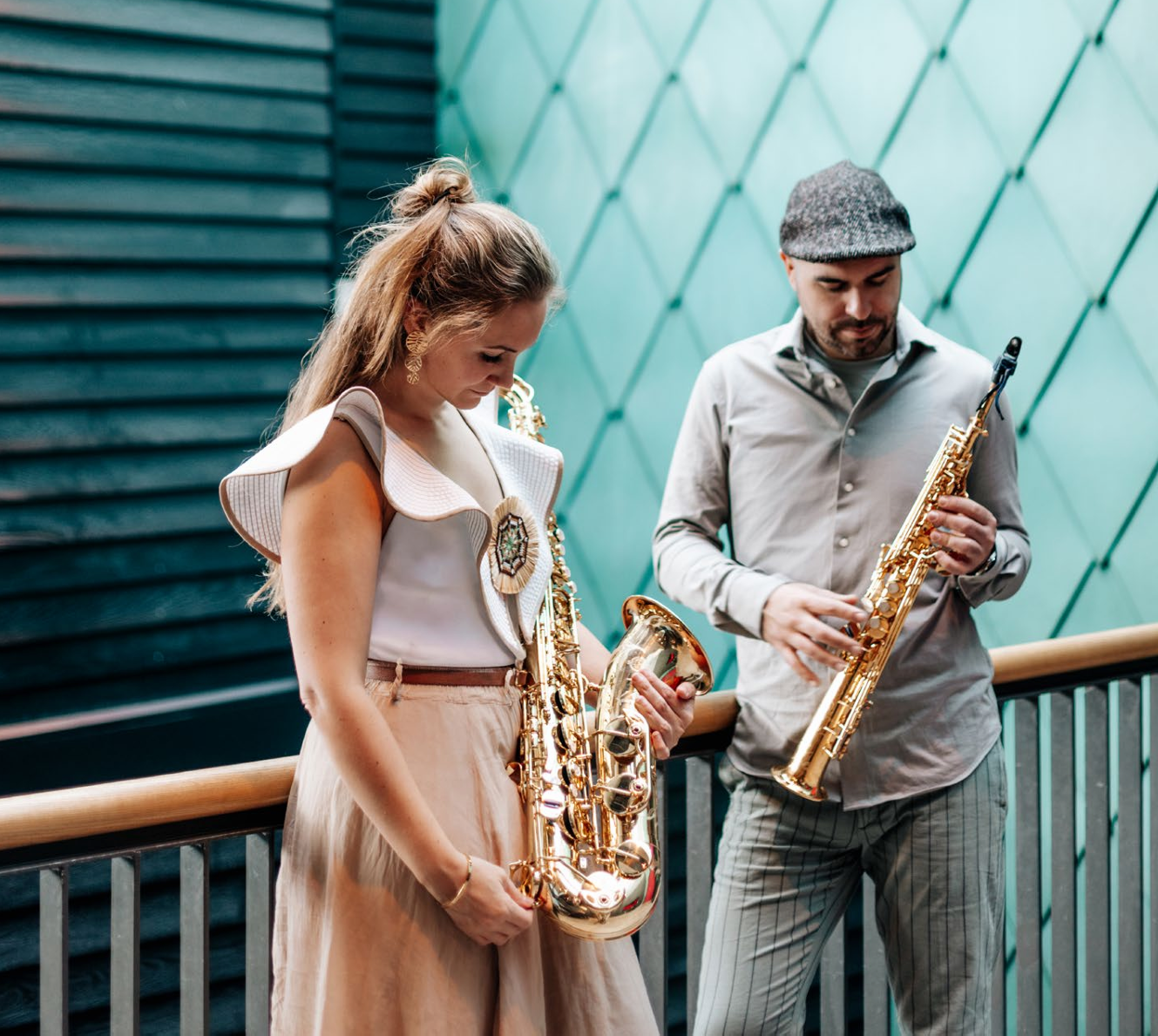
Several aspects of this album stand out for me immediately.
First, this is an album about color. Yes, there is tremendous virtuosity; both players possess formidable technique, but the focus is on:
- tonal shading
- articulation
- breathing together
- exploiting the enormous range of timbres available from the saxophone family
The result is not the stereotypical "classical saxophone" sound I hear so often.
Second, the repertoire is delightfully eclectic. Rather than building a recital around one historical period, they move comfortably among arrangements, contemporary works, original saxophone literature, and music with folk and dance influences. That variety helps maintain interest while constantly revealing different instrumental colors.
Third, the recording quality is that of Brendon Heinst at his best. This means a very natural acoustic perspective and believable room ambience, exceptional transient accuracy, and superbly realistic instrumental timbre.
If you ever wish to reach for a standout evaluation or demonstration recording, this is one you should confidently reach for. The saxophone is a very revealing instrument for recording quality. It spans a tremendous dynamic range and contains both delicate reed noises and surprisingly powerful harmonic overtones. Poor recordings can become edgy or glassy; excellent recordings preserve the warmth of the air column while still revealing the bite of the reed. With this recording at its native DXD resolution you will hear excellent tonal neutrality, image stability, micro-dynamic resolution, natural decay into the recording venue, and exceptional low-level detail retrieval. Assuming your system is up to the challenge of this recording, you will easily hear the subtle differences in the resonance of different members of the saxophone family, the acoustic boundaries of the recording space, and how precisely the two instruments occupy separate positions in the stereo image.
Do I recommend it? Oh, yes. This album sits at the intersection of several things I consistently enjoy:
- interesting and innovative music;
- outstanding contemporary European performers (never more so than in the final cut where the saxophone duo is joined by flute, cello, and synths in Facades by Philip Glass);
- chamber music with genuine musical substance;
- reference-quality recording engineering; and
- an unusual instrumental combination that reveals what a top-flight playback system can really do.
This album is a masters class in how transparent engineering allows a listener to appreciate the extraordinary expressive palette of two musicians who have spent well over fifteen years learning to breathe and phrase as one musical voice.
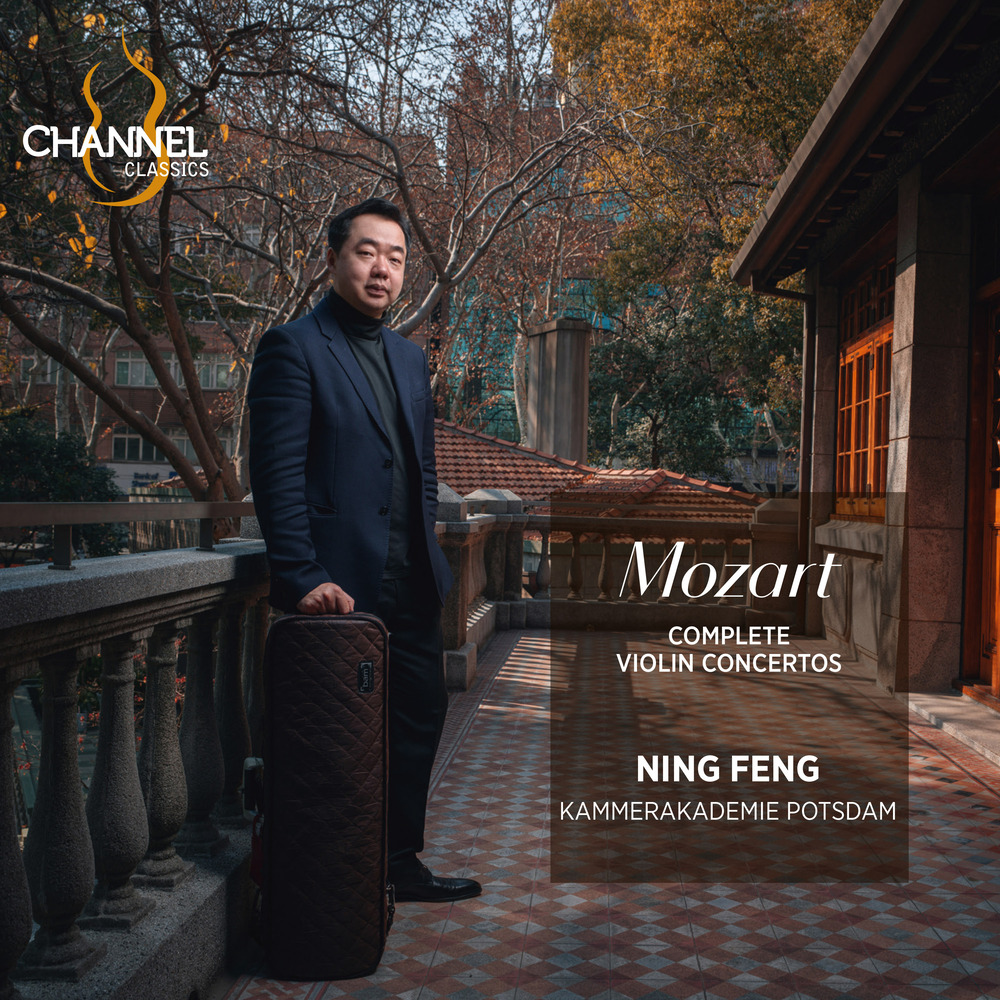
Mozart, Complete Violin Concertos, Ning Feng, Kammerakademie Potsdam. Channel Classics 2026 (DXD 32-bit, DSD256, Stereo, MCh) Edit Master Sourced HERE
Listening to Ning Feng always makes me smile. He has such a joyful style. His music-making is full of life, rich emotion, and a wonderfully nuanced attention the the small details that matter. I always come away feeling refreshed and fulfilled. And when the music is Mozart—ah, the wonders abound.
This two-volume set of Mozart's complete violin concertos is filled with those wonders. Aroudn every corner of Ning's playing I hear something just a bit different, a fresh inflection or a subtle nuance that keeps these familiar works continually engaging.
The Kammerakademie Potsdam proves to be an ideal partner in this delightful music-making. Intimacy, spirited repartee, and understated elegance combine to create performances of exceptional charm. Hurray for chamber orchestras of this caliber.
I keep returning to these recordings for another refreshing dose of sunlight, gentle humor, and quiet companionship. At the same time, I marvel at the formidable technical challenges that Ning Feng meets with such grace that they almost seem to disappear. I know those challenges are are very real—I simply never notice them here, as I sometimes do in less capable hands. Instead, the music just flows naturally, carrying my delight along with it.
Recorded by the inimitable Jared Sacks, the sound quality is immensely satisfying to both my ears and my heart. It complements and enhances the performances without every calling attention to itself. Everything simply sounds right. The clarity and resolution are all there, yet never demands notice. Instead, the presentation is utterly natural. The acoustic breathes, the violin's harmonic overtones unfold, resonate, and shimmer, all in perfect balance with the surrounding space. This is recording mastery. It represents the kind of natural, convincing musical reproduction I always hope to hear—and all too seldom do. Well done!
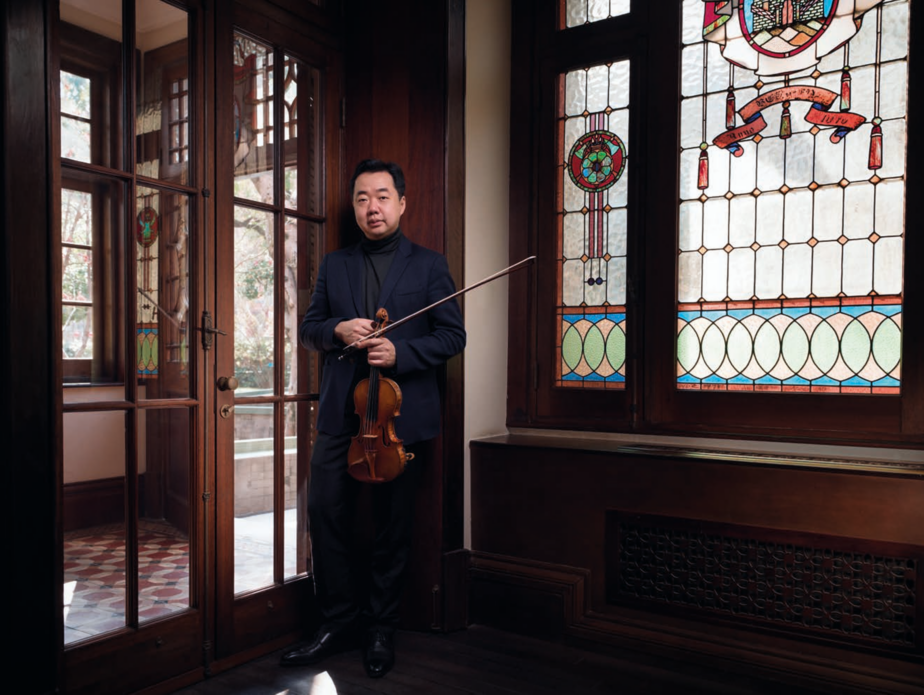
Ning Feng
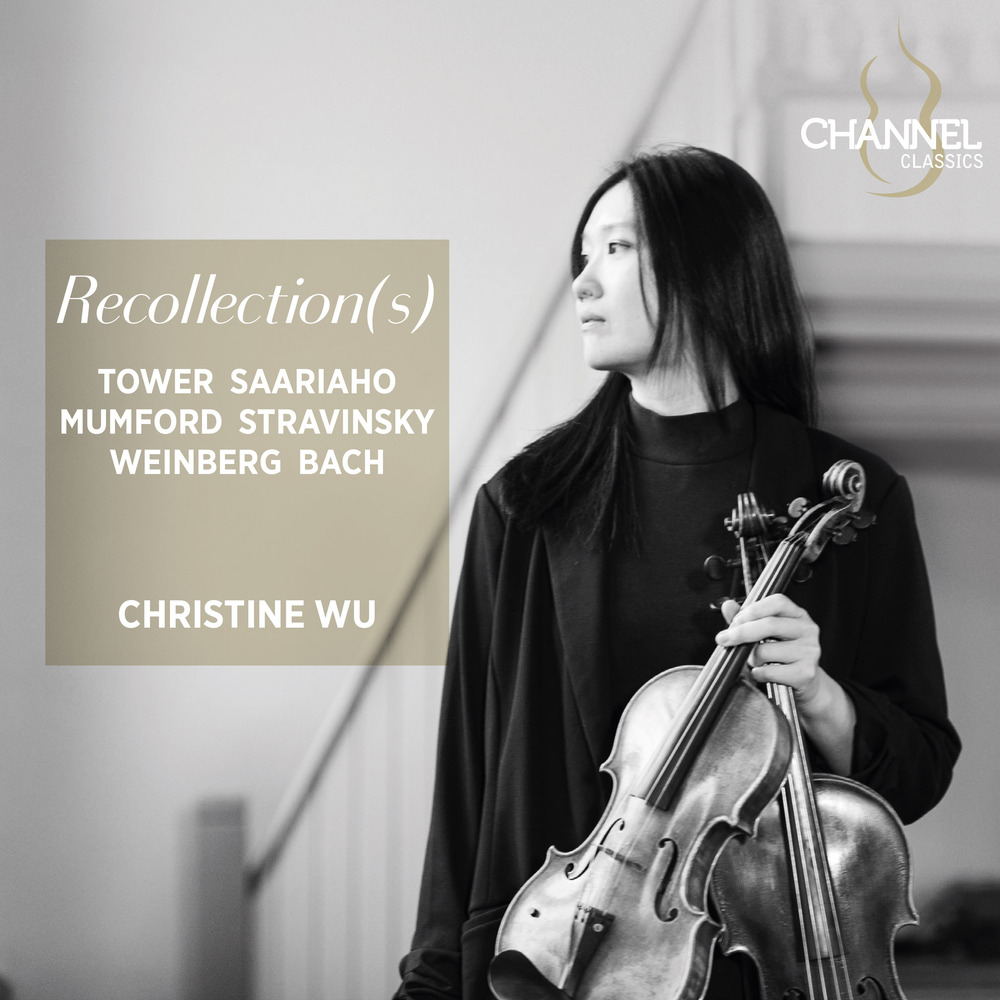
Recollection(s), music of Tower, Saariaho, Mumford, Stravinsky, Weinberg, and Bach, by Christine Wu. Channel Classics 2026 (DXD 32-bit, Stereo, MCh) Edit Master Sourced HERE
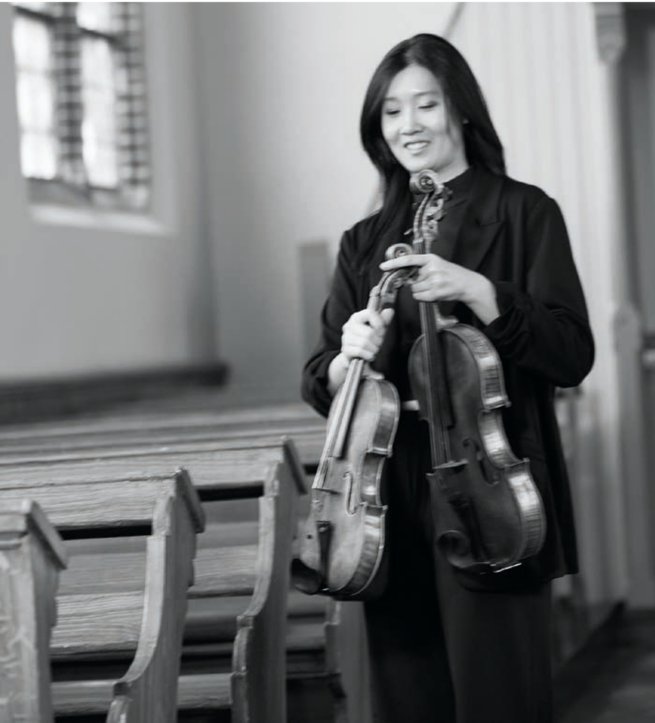
Violist and violinist Christine Wu is an emerging master of both instruments. She plays with immense technical facility and supreme communicative command. Her music-making is not about routine proficiency; it is about nuance, deliberation, and emotional depth.
For this album, she has assembled works that speak to her personally. Of them, she writes:
"Recollections are dynamic representations of our lived experiences. Every time we recall a memory, the mere act of recollection makes that memory vulnerable to change. This album explores how different methods of recalling musical ideas can produce varying outcomes, each beautiful in their own way."
The album opens with Joan Tower's (b. 1938) virtuosic and commanding work for solo viola, Wild Purple (1998). Written for the renowned violist Paul Neubauer, this six-minute piece is filled with energy, rich tonal color, and formidable technical challenges. Christine Wu delivers it with remarkable fluidity—with the high-octane wildness the work demands, yet always maintaining complete artistic control.
Kaija Saariaho's (1952-2023) five-minute miniature Nocturne (1994) follows in a dramatic change of mood. It is an elegiac tribute written after Saariaho learned of the death of Witold Lutosławski. This is music of austere, deeply wrought emotion. Employing overpressure bowing, in which increased bow pressure produces a scratch tone, the work seems to shatter before the listener. As Christine Wu writes, "Far from being a minor work, Nocturne is one of the most compact and intimate demonstrations of Saariaho’s art of letting a singular voice emerge from the noise of the world in a lively ascending dance, until darkness engulfs it again."
In eight musings...revisiting memories, Jeffrey Mumford (b.1955) created a work built from recast fragments of earlier chamber compositions, "seen in a new light in the context of a work for solo violin." I found it to be an intriguing glimpse into a composer revisiting and reimagining aspects of his own musical language.
Stravinsky's Elegy for Solo Viola (1944) explores the foibles of memory in a different way. Written in memory of Alphonse Onnou, founder of the Pro Arte Quartet, the score contains no time signature but unfolds with the character of a chant. The central section incorporates fugal elements, while the sections before and after it initially sound identical—until the very end. Careful listening reveals that the closing section, while broadly recapitulating the opening, has been subtly transformed. A different message now emerges. Did I notice this on my own? No. I heard it only after it was pointed out to me and I returned for another listen. It is a fascinating construction that challenged my initial understanding of the work.
Mieczyslaw Weinberg (1919-1996) rarely spoke—even to his own daughter—about the loss of his family in the Holocaust or about his own imprisonment a decade later. It is through his music, however, that we hear his search for emotional balance. The sixteen-minute Viola Sonata No. 2, Op. 123 (1978) is one of four solo viola sonatas he composed. Together they stand at the heart of his late style and introspective voice. Throughout this Second Sonata we hear recurring rhythmic figures and repeated fragments that evoke memories without ever fully articulating them.
The album closes with J.S. Bach’s "Chaconne" from Partita No. 2, BWV 1004. Christine Wu writes that the work "is constructed from a single harmonic progression, a feature inherent to the chaconne form, capturing a recollection that repeats throughout. As that memory weaves through minor—major—minor sections, it embarks on a profound spiritual journey through reverence, hope, and transcendence."
With this concluding work, she brings the album's overarching theme to a thoughtful close. Unfortunately, I did not find this track to be her most successful performance. Earlier selections seem much better suited to her exceptional communicative strengths. I'd encourage prospective listeners to sample Track 1, Wild Purple, for a better sense of what this remarkable album has to offer.
Jared Sacks recorded and mastered this album, so I fully expected the sound quality to be excellent—and it is. Recorded in Foundation Church, Heesselt, The Netherlands, the venue was new to me but proves ideally well suited to the sound of a solo string instrument. The acoustic is open and extended, allowing the harmonic overtones so essential to beautiful string tone to develop naturally. The viola, in particular, is captured with a full, rich, resonant voice. The instrument remains focused, alive, and three-dimensional throughout. Too often, recordings of this type can sound hollow or overly reverberant. Not here. In Jared's hands the sound is simply magical.
Warmly recommended.
Christine Wu